S

Carbon AgriAgricultural projectPays de la LoireLabel Bas-Carbone · Labelled
Les Herbages du Soleil
132 ha
Area
762 t
CO₂
0 t
Available CO₂
Project presentation
This agricultural project on 132 hectares in the municipality of Essarts-en-Bocage implements responsible practices designed to reduce greenhouse gas emissions and increase carbon storage in soils, contributing to sequester 762 tons of CO₂ over its lifetime. Certified by the CARBON AGRI method of the Low-Carbon Label, it promotes more resilient and sustainable agricultural ecosystems.
Agricultural levers for this project (2)
Specific practices implemented by the farmer to reduce emissions and increase carbon storage.
🐣
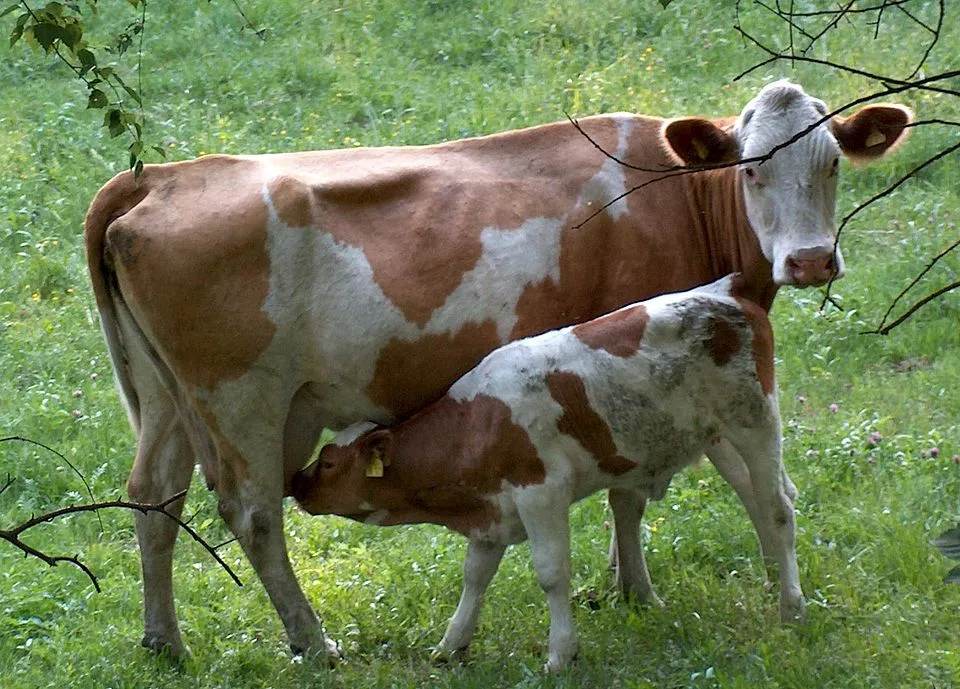
Réduction de la mortalité des jeunes
Moyen — chaque veau sauvé améliore le bilan carbone global du troupeauRéduire la mortalité des veaux et des jeunes bovins est un levier d'efficacité majeur. Chaque animal mort représente des émissions de GES « pour rien » — la mère a consommé des ressources pour une gestation et un allaitement sans production finale.
Did you know?
Le saviez-vous ? En France, 8 % des veaux meurent avant le sevrage. Réduire ce taux de moitié, c'est l'équivalent de 15 000 tonnes de CO₂ évitées par an à l'échelle nationale.
🐮
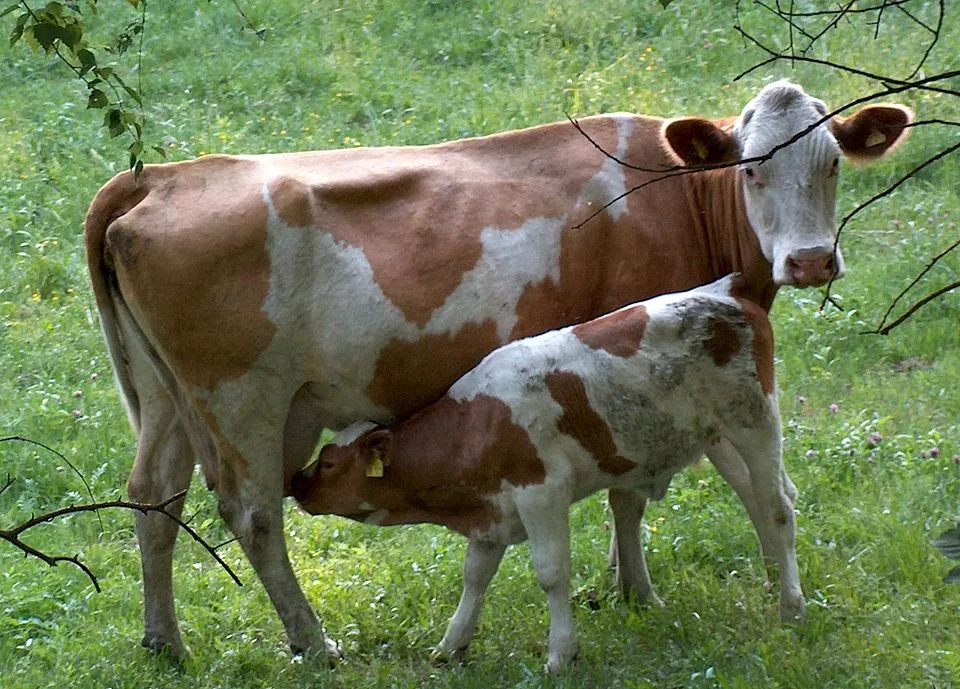
Âge au vêlage et longévité
Moyen — réduction de 5 à 15 % de l'empreinte carbone par litre de lait ou kg de viandeRéduire l'âge au premier vêlage (de 36 à 24-30 mois) et augmenter la longévité des vaches permet de réduire le nombre d'animaux improductifs dans le troupeau. Moins de génisses d'élevage signifie moins de méthane entérique et plus d'efficacité par litre de lait ou kg de viande produit.
Did you know?
Le saviez-vous ? En France, une vache laitière est réformée en moyenne après seulement 3 lactations. Augmenter sa longévité à 5 lactations réduit l'empreinte carbone du lait de 15 %.
Environmental & social impacts
Beyond carbon sequestration, each project generates measurable positive impacts on the environment and local communities. Here is the detailed assessment of this project.
🌍Climate
73%
This project sequesters 5.8 tCO₂/ha over its lifetime. Carbon is captured in biomass (trunks, branches, roots) and soils. This is the project's primary impact: contributing to climate change mitigation by removing CO₂ from the atmosphere.
Biodiversity
Significant impact65%
This project creates a rich habitat for wildlife. The ecological corridors formed allow species to circulate, promoting pollination and natural biological pest control.
Water
Significant impact79%
Over 132 ha, the vegetation cover acts as a natural filter. Roots promote water infiltration into soils, reduce runoff and erosion, and enable groundwater recharge. Downstream water quality is directly improved.
Soils
Significant impact91%
The root system structures the soil in depth. Litter (dead leaves, twigs) enriches organic matter, feeds soil microorganisms and increases water retention capacity. A living, fertile soil is the foundation of a resilient ecosystem.
Socio-economic
Moderate impact84%
This project of 132 ha in Essarts-en-Bocage supports the local economy: direct jobs (planting, maintenance, monitoring), enhancement of the territory and natural heritage. It strengthens the link between rural communities and their environment, contributing to the ecological transition.
Sustainable Development Goals
The 17 SDGs are a global framework defined by the United Nations to build a sustainable future by 2030. This project directly contributes to 4 of them. Here's why.
2
Zero Hunger
End hunger, achieve food security and improved nutrition
Why this project: With 132 ha of sustainable farming practices in Essarts-en-Bocage, this project improves long-term soil productivity, secures food yields and strengthens farm resilience against climate risks — directly contributing to local food security.
12
Responsible Consumption and Production
Ensure sustainable consumption and production patterns
Why this project: This project transforms farming practices on 132 ha towards more responsible production: reduced chemical inputs, soil cover, crop diversification.
13
Climate Action
Take urgent action to combat climate change and its impacts
Why this project: This is the primary impact: this project sequesters 762 tons of CO2 over its lifetime, certified by the Low-Carbon Label. Every ton removed from the atmosphere directly contributes to fighting climate change.
15
Life on Land
Protect, restore and promote sustainable use of terrestrial ecosystems
Why this project: By reintroducing soil-friendly practices (cover crops, hedges, reduced tillage), this project restores terrestrial life on 132 ha.
Project timeline
Project notification
July 26, 2022The project owner submits their application to the ministry.
File submission
July 26, 2022The complete file is submitted to the competent authority for review.
Labelling
February 27, 2023The project is validated and receives the official Low-Carbon Label.
Year 1 monitoring
February 2024Project performance indicators check — year 1/5.
Year 2 monitoring
February 2025Project performance indicators check — year 2/5.
Year 3 monitoring
February 2026Project performance indicators check — year 3/5.
Year 4 monitoring
February 2027Project performance indicators check — year 4/5.
Year 5 monitoring
February 2028Project performance indicators check — year 5/5.
Verification audit
August 2027An independent auditor verifies on site that the project carbon objectives have been met.
Final certification
February 2028Emission reductions are verified and carbon credits are definitively issued.
📍 Location
Town
Essarts-en-Bocage
Postal code
85140
Department
Vendée (85)
Region
Pays de la Loire
Project status
Label Bas-Carbone methodCARBON AGRI
StatusLabelled
ODD
2121315
Impact score
Support this project
Our experts will get back to you within 48h
About the Label Bas-Carbone
The only carbon contribution label officially recognised by the French state. Every project is audited by an independent body and listed in the public registry.
Stock CO2
Similar projects




Interested in this project?
Talk to a Stock CO2 expert
We help you select the project that best fits your CSR strategy.