S
ReforestationForestry projectCentre Val de LoireLabel Bas-Carbone · Labelled
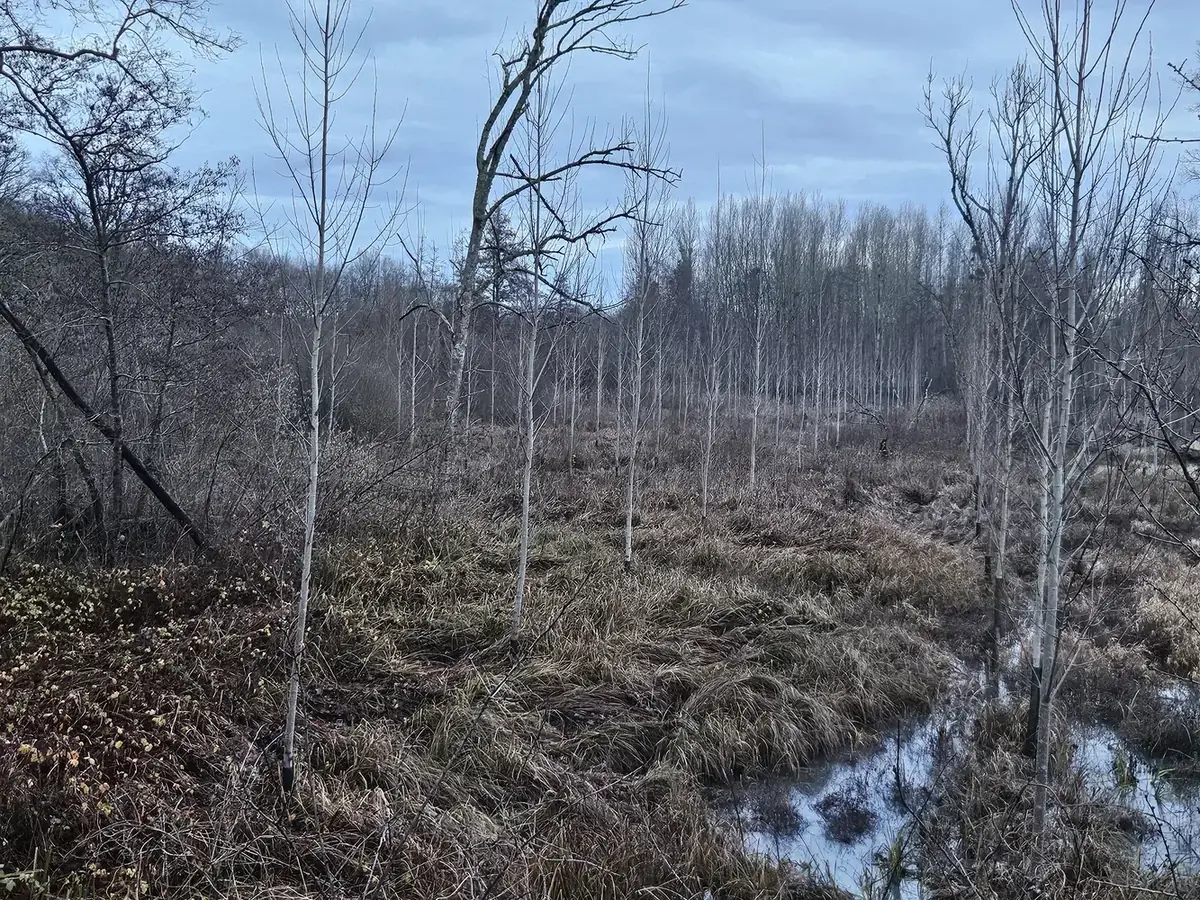
Le bois de l'Harmenault
3.42 ha
Area
1,098 t
CO₂
690
Trees planted
Project presentation
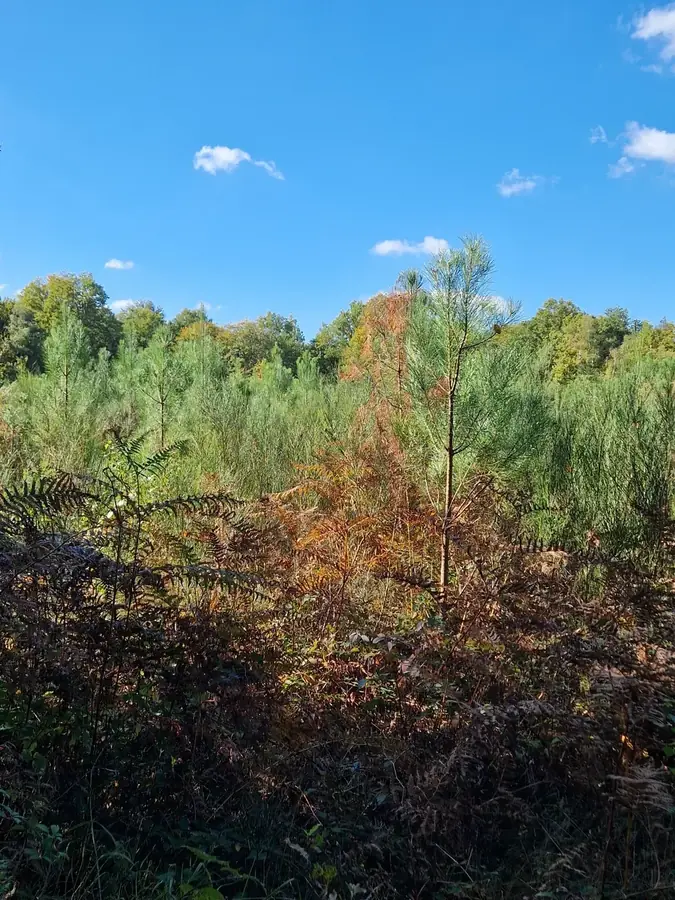
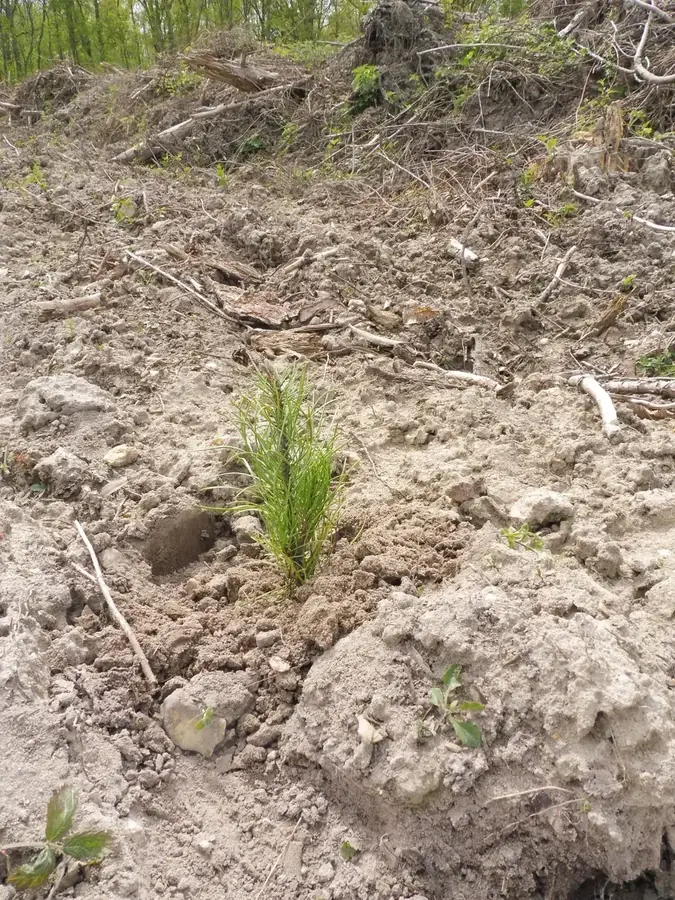
Located in the heart of Centre Val de Loire, this reforestation project spans 3.42 hectares in the municipality of Montcresson. Certified with the Low-Carbon Label, it will sequester 1,098 tons of CO₂ over its lifetime. With 690 trees from 3 different species, this project actively promotes biodiversity and ecosystem resilience.
Planted species (3)
Species diversity strengthens forest resilience against diseases and climate change.

Peuplier
Populus spp. · Salicaceae
Genre comprenant une trentaine d'espèces, certaines atteignant 40 m en seulement 20 ans. Bois léger utilisé massivement pour la fabrication de cagettes et contreplaqué.
Did you know?
Le peuplier est l'arbre qui grandit le plus vite en France : certains cultivars prennent jusqu'à 3 mètres de hauteur par an.
Peuplier
Populus spp. · Salicaceae
Genre comprenant une trentaine d'espèces, certaines atteignant 40 m en seulement 20 ans. Bois léger utilisé massivement pour la fabrication de cagettes et contreplaqué.
Did you know?
Le peuplier est l'arbre qui grandit le plus vite en France : certains cultivars prennent jusqu'à 3 mètres de hauteur par an.
Peuplier
Populus spp. · Salicaceae
Genre comprenant une trentaine d'espèces, certaines atteignant 40 m en seulement 20 ans. Bois léger utilisé massivement pour la fabrication de cagettes et contreplaqué.
Did you know?
Le peuplier est l'arbre qui grandit le plus vite en France : certains cultivars prennent jusqu'à 3 mètres de hauteur par an.
Environmental & social impacts
Beyond carbon sequestration, each project generates measurable positive impacts on the environment and local communities. Here is the detailed assessment of this project.
🌍Climate
92%
This project sequesters 321.2 tCO₂/ha over its lifetime. Carbon is captured in biomass (trunks, branches, roots) and soils. This is the project's primary impact: contributing to climate change mitigation by removing CO₂ from the atmosphere.
Biodiversity
Significant impact75%
With 3 different species (moderate diversity), this project creates a rich habitat for wildlife. The ecological corridors formed allow species to circulate, promoting pollination and natural biological pest control.
Water
Very high impact93%
Over 3.42 ha, the vegetation cover acts as a natural filter. Roots promote water infiltration into soils, reduce runoff and erosion, and enable groundwater recharge. Downstream water quality is directly improved.
Soils
Significant impact81%
With 202 trees/ha, the root system structures the soil in depth. Litter (dead leaves, twigs) enriches organic matter, feeds soil microorganisms and increases water retention capacity. A living, fertile soil is the foundation of a resilient ecosystem.
Socio-economic
Significant impact72%
This project of 3.42 ha in Montcresson supports the local economy: direct jobs (planting, maintenance, monitoring), enhancement of the territory and natural heritage. It strengthens the link between rural communities and their environment, contributing to the ecological transition.
Sustainable Development Goals
The 17 SDGs are a global framework defined by the United Nations to build a sustainable future by 2030. This project directly contributes to 4 of them. Here's why.
6
Clean Water and Sanitation
Ensure availability and sustainable management of water
Why this project: The vegetation cover on 3.42 ha naturally filters runoff water and promotes groundwater recharge. By reducing erosion and nutrient leaching, this project improves water quality available for local uses.
12
Responsible Consumption and Production
Ensure sustainable consumption and production patterns
Why this project: The sustainable forest management of this project of 3.42 ha ensures responsible wood production: planted trees will eventually provide timber or energy wood, replacing high carbon footprint materials.
13
Climate Action
Take urgent action to combat climate change and its impacts
Why this project: This is the primary impact: this project sequesters 1,098 tons of CO2 over its lifetime, certified by the Low-Carbon Label. Every ton removed from the atmosphere directly contributes to fighting climate change.
15
Life on Land
Protect, restore and promote sustainable use of terrestrial ecosystems
Why this project: This project of 3.42 ha in Montcresson plants 3 different species, recreating a complete forest ecosystem: wildlife habitat, ecological corridors, and soil biodiversity enrichment through mycorrhizal fungi.
Project timeline
Project notification
July 15, 2021The project owner submits their application to the ministry.
File submission
July 15, 2021The complete file is submitted to the competent authority for review.
Labelling
September 24, 2021The project is validated and receives the official Low-Carbon Label.
Planting
January 2022Selected tree species are planted on the plot.
Year 1 monitoring
September 2022Project performance indicators check — year 1/5.
Year 2 monitoring
September 2023Project performance indicators check — year 2/5.
Year 3 monitoring
September 2024Project performance indicators check — year 3/5.
Year 4 monitoring
September 2025Project performance indicators check — year 4/5.
Year 5 monitoring
September 2026Project performance indicators check — year 5/5.
Verification audit
March 2051An independent auditor verifies on site that the project carbon objectives have been met.
Final certification
September 2051Emission reductions are verified and carbon credits are definitively issued.
📍 Location
Town
Montcresson
Postal code
45700
Department
Loiret (45)
Region
Centre Val de Loire
Label Bas-Carbone method · Reforestation
Rebuilding a forest destroyed by a natural disaster or degraded by dieback. The method aims to restore resilient stands adapted to climate change.
The Low-Carbon Label is an official certification framework from the French Ministry of Ecological Transition. It guarantees that emission reductions are real, measurable, verifiable and additional (they would not have occurred without the project). Each project is audited by an independent body before labelling, then monitored throughout its duration.
How it works:
1. The project owner submits a file describing the reference scenario (without project) and the project scenario.
2. The difference between the two scenarios gives the net emission reductions, expressed in tons of CO₂ equivalent.
3. An independent auditor verifies the data in the field and validates the calculations.
4. The ministry issues the Low-Carbon Label and carbon credits are issued.
5. The project is monitored for 30 years with periodic verifications.
Project status
Label Bas-Carbone methodREBOISEMENT
StatusLabelled
ODD
6121315
Impact score
Support this project
Our experts will get back to you within 48h
About the Label Bas-Carbone
The only carbon contribution label officially recognised by the French state. Every project is audited by an independent body and listed in the public registry.
Stock CO2
Similar projects
Interested in this project?
Talk to a Stock CO2 expert
We help you select the project that best fits your CSR strategy.