S
← All companies
MTE
Public SectorLabel Bas-Carbone
Ministères de la Transition écologique
Ministères de la Transition écologique contributes to carbon neutrality with Stock CO2
1
project supported
2,590 t
tCO₂ contributed
89,000 m²
funded area
13,559
trees funded
The commitment
In partnership with Stock CO2, the ministries for Ecological Transition participated in a reforestation project in Hauts-de-France, as part of the Eco-responsible Public Services initiative.
In partnership with Stock CO2, the ministries for Ecological Transition participated in a reforestation project in Hauts-de-France.
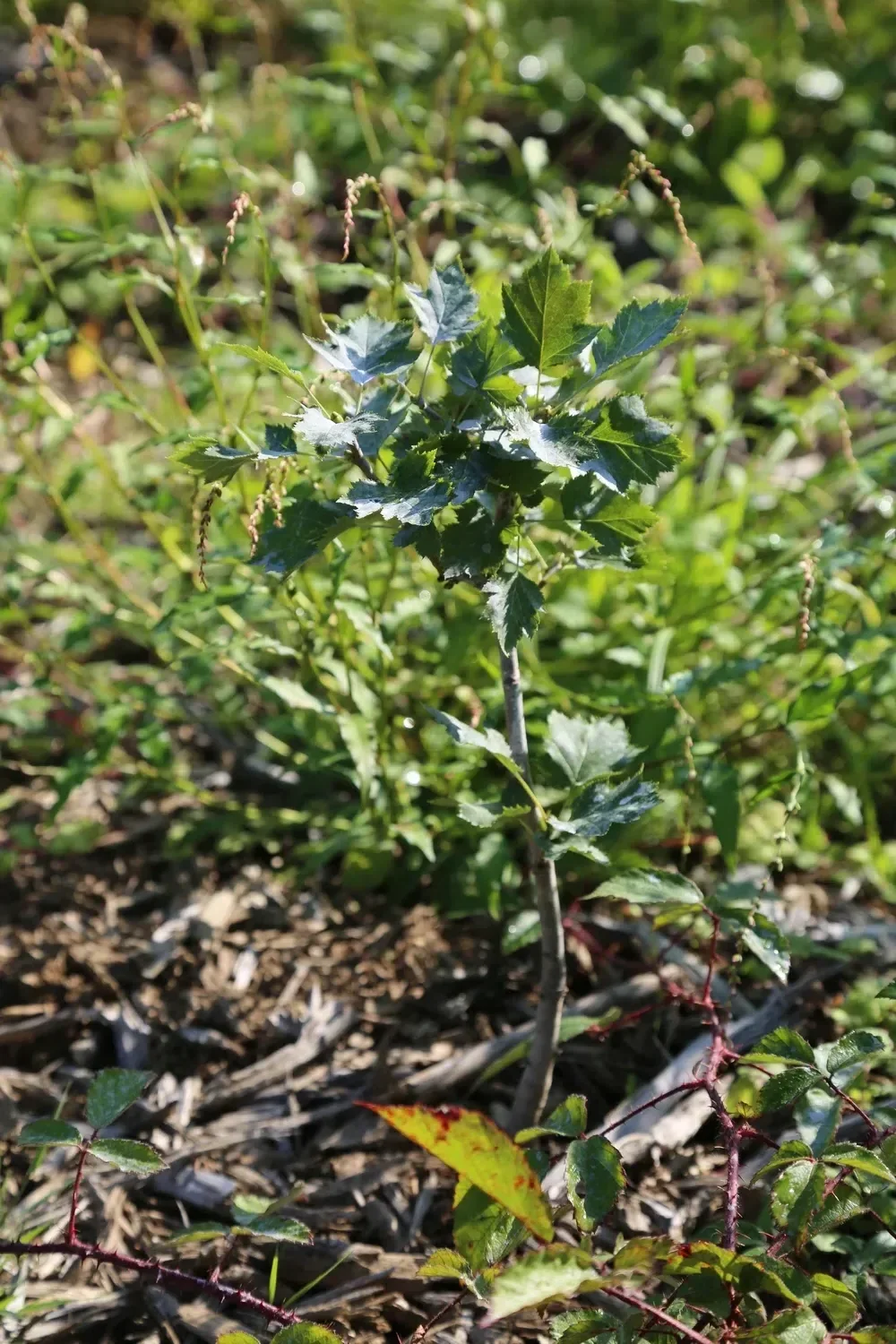
ReforestationHauts de France
Le rond-bois de la Folie
Trélon (59), Nord
8.9 ha
area
2,590 t
CO₂
13,559
trees
291.0
tCO₂/ha
📋
Project presentation
Le rond-bois de la Folie is a reforestation project located in Hauts de France, municipality of Trélon (Nord). Certified Label Bas-Carbone by the Ministry of Ecological Transition using the "REBOISEMENT" method, this project covers 8.9 hectares.
The carbon sequestration potential is estimated at 2,590 tonnes of CO₂ over the project's lifetime, an intensity of 291.0 tCO₂ per hectare.
13,559 trees were planted, comprising 10 different species at a density of 1,523 trees per hectare. This species diversity strengthens the ecosystem's resilience to climate risks and promotes local biodiversity.
🌿
Environmental & social impacts
Beyond carbon sequestration, each project generates measurable positive impacts on the environment and local communities.
🌍Climate
98%
This project sequesters 291.0 tCO₂/ha over its lifetime. Carbon is captured in biomass and soils. This is the primary impact: contributing to climate change mitigation.
Biodiversity
Very high impact96%
With 10 different species (strong diversity), this project creates a rich habitat for wildlife. Ecological corridors promote pollination and biological control.
Water
Very high impact98%
Over 8.9 ha, vegetation filters water, reduces runoff and erosion, and promotes groundwater recharge.
Soils
Very high impact98%
With 1523 trees/ha, the root system structures the soil. Litter enriches organic matter and increases water retention.
Socio-economic
Significant impact80%
This 8.9 ha project in Trélon supports the local economy: direct jobs, territory enhancement and ecological transition.
Global score
94%
🎯
Sustainable Development Goals
This project directly contributes to 6 UN SDGs.
3
Good Health and Well-being
Ensure healthy lives and promote well-being for all
Why this project: This project contributes to this goal through its carbon sequestration and local ecosystem strengthening.
6
Clean Water and Sanitation
Ensure availability and sustainable management of water
Why this project: Vegetation cover on 8.9 ha filters runoff and promotes groundwater recharge.
8
Decent Work and Economic Growth
Promote sustained, inclusive and sustainable economic growth
Why this project: This project contributes to this goal through its carbon sequestration and local ecosystem strengthening.
12
Responsible Consumption and Production
Ensure sustainable consumption and production patterns
Why this project: Sustainable forest management of 8.9 ha ensures responsible wood production.
13
Climate Action
Take urgent action to combat climate change and its impacts
Why this project: Primary impact: this project sequesters 2,590 tons of CO₂, certified Label Bas-Carbone.
15
Life on Land
Protect, restore and promote sustainable use of terrestrial ecosystems
Why this project: This 8.9 ha project plants 10 species, recreating a complete forest ecosystem.
📊
Carbon data
CO₂ contributed by Ministères de la Transition écologique2,590 tCO₂
Funded area89,000 m²
Funded trees13,559 trees
Project density1,523 trees/ha
Method: REBOISEMENT — Status: labellisé
📍
Location
Municipality
Trélon
Postal code
59132
Department
Nord (59)
Region
Hauts de France
📅
Project timeline
Project notification
The project owner submits their application to the ministry.
Field audit
An independent auditor verifies the project data on site.
Labelling
The project is validated and receives the official Low-Carbon Label.
Monitoring
Regular monitoring of project progress and carbon indicators.
Credit certification
Emission reductions are verified and carbon credits are issued.
🏛️
Method · REBOISEMENT
The Low-Carbon Label is an official certification framework from the French Ministry of Ecological Transition. It guarantees that emission reductions are real, measurable, verifiable and additional.
How it works:
1. The project owner submits a file describing the reference and project scenarios.
2. The difference gives net emission reductions in CO₂ equivalent.
3. An independent auditor verifies the data in the field.
4. The ministry issues the Label and carbon credits are issued.
5. The project is monitored with periodic verifications.
🌳
Planted species (10)
Species diversity strengthens forest resilience against diseases and climate change.

Chêne rouvre / sessile
Quercus petraea · Fagaceae
Arbre majestueux pouvant vivre plus de 500 ans et atteindre 40 m. Essence emblématique des forêts françaises, son bois est prisé en tonnellerie et ébénisterie.
Did you know?
Il représente environ 25 % de la surface boisée en France, c'est l'essence la plus répandue.
Alisier blanc (Sorbus aria)

Alisier torminal
Sorbus torminalis · Rosaceae
Arbre rare atteignant 25 m, indicateur de sols riches. Son bois très dense est l'un des plus chers d'Europe, utilisé en marqueterie.
Did you know?
Son bois peut atteindre des prix supérieurs à 10 000 € le m³ sur pied, ce qui en fait l'un des bois feuillus les plus précieux d'Europe.

Érable sycomore
Acer pseudoplatanus · Sapindaceae
Grand érable pouvant atteindre 35 m, très courant en montagne. Bois blanc et homogène, recherché en lutherie et tournage. Feuillage dense offrant un ombrage efficace.
Did you know?
Son bois est le matériau de prédilection pour les dos et les éclisses des violons et violoncelles.

Érable plane
Acer platanoides · Sapindaceae
Grand érable (30 m) aux feuilles semblables à celles du platane. Très planté en ville pour son ombrage. Bois clair utilisé en ameublement.
Did you know?
La feuille d'érable du drapeau canadien est souvent associée à cet érable, bien qu'elle représente en réalité l'érable à sucre nord-américain.

Sorbier des oiseleurs
Sorbus aucuparia · Rosaceae
Petit arbre atteignant 15 m, très présent en montagne. Ses baies rouges sont essentielles pour l'alimentation des oiseaux en hiver.
Did you know?
Son nom latin « aucuparia » signifie « qui attire les oiseaux » — ses baies servaient autrefois d'appât pour les capturer.

Douglas vert
Pseudotsuga menziesii · Pinaceae
Originaire de la côte ouest de l'Amérique du Nord, le Douglas atteint 60 m en France et jusqu'à 100 m dans son aire d'origine. Son bois est utilisé en charpente, construction et bois énergie. Essence en expansion en France grâce à sa croissance rapide et son excellence adaptation climatique.
Did you know?
Ses cônes se reconnaissent à leurs bractées en forme de trident dépassant des écailles.
Mélèze hybride (Larix eurolepsis)

Tilleul à petites feuilles
Tilia cordata · Malvaceae
Plus petit que son cousin à grandes feuilles (25 m max), il résiste mieux à la sécheresse. Très planté en alignement urbain. Miel de tilleul très réputé.
Did you know?
C'est de cet arbre que vient le nom de la célèbre avenue berlinoise « Unter den Linden » (sous les tilleuls).

Peuplier
Populus spp. · Salicaceae
Genre comprenant une trentaine d'espèces, certaines atteignant 40 m en seulement 20 ans. Bois léger utilisé massivement pour la fabrication de cagettes et contreplaqué.
Did you know?
Le peuplier est l'arbre qui grandit le plus vite en France : certains cultivars prennent jusqu'à 3 mètres de hauteur par an.
Planting density: 1,523 trees/ha
Project summary
TypeReforestation
MethodREBOISEMENT
Statuslabellisé
RegionHauts de France
ODD
368121315
Global score
94%
Why Stock CO2?
🔒
Secured contribution
The only solution offering trust, insurance and safety margins.
🏛️
Label Bas-Carbone
Official French state certification, credits on the national registry.
📊
Monitoring & reports
Online dashboard, personalized impact reports and official certificate.
This page is offered by Stock CO2 to its partners to showcase their climate commitment.
Your company too? Contact us →You too?
Commit your company with Stock CO2
Let's discuss your CSR challenges and carbon contribution goals.